
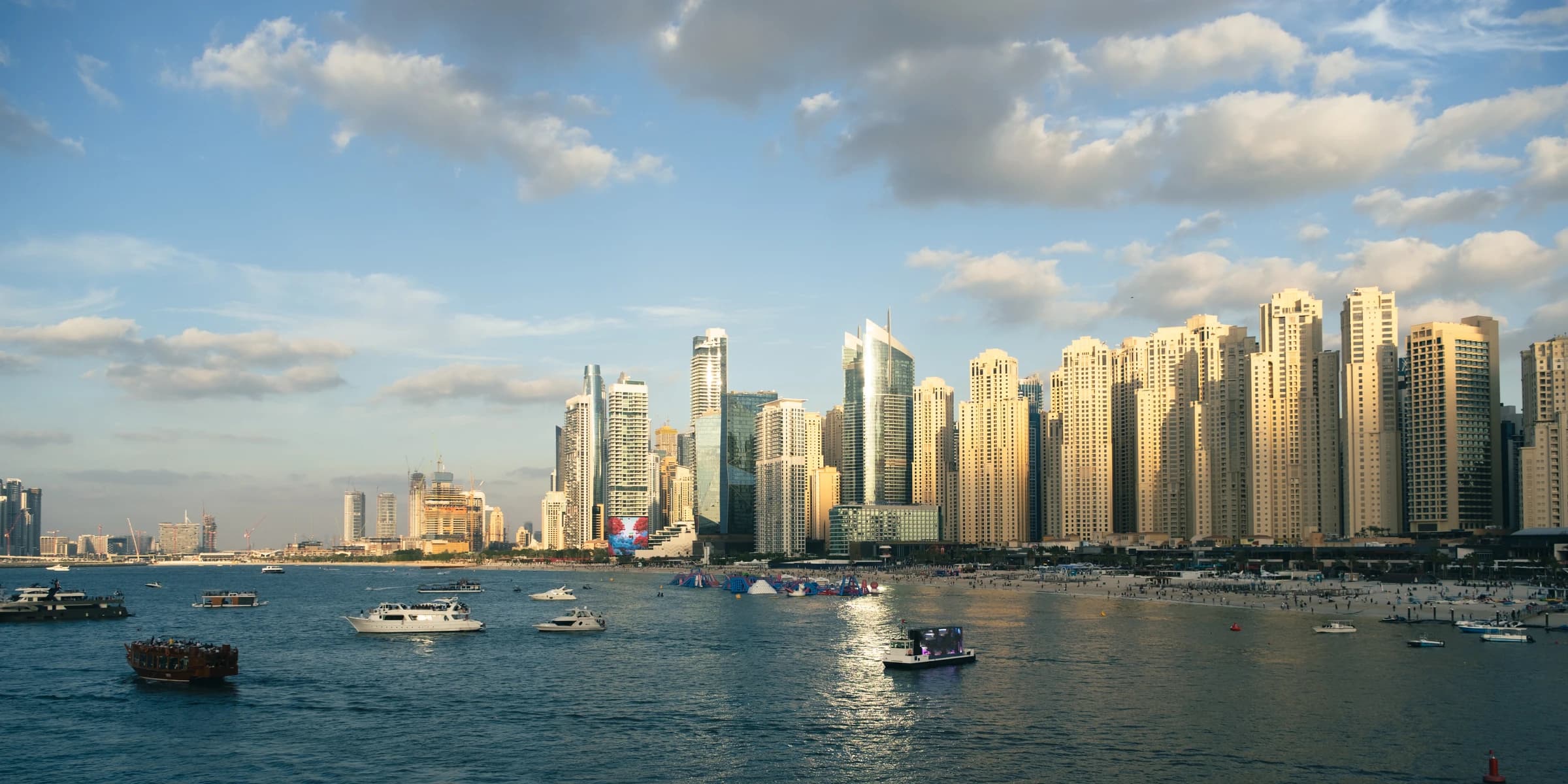
A beautiful view can make a property feel like an obvious decision. That is precisely when I would slow down.
There is nothing wrong with paying for something you enjoy. A home is not a spreadsheet. But if the purchase also needs to work as an investment, the view has to sit alongside the rest of the evidence: how the building operates, what ownership costs, who might rent it and what else the same budget can buy.
Earlier in Beyond the Deal, I wrote about urban design and the difference between short-term thinking and long-term ownership. Waterfront property brings both questions into the same room. You are buying a home today, within a neighbourhood that may continue changing for years.
Start downstairs
The balcony is the obvious place to begin a viewing. I would spend at least as much time on the journey outside the building.
Can you reach the waterfront easily, or is it something you mostly see through glass? Is the walk pleasant, with shade and useful places along the way? How does the entrance work when deliveries, residents and visitors arrive together? What is the drive like at the time you would actually leave for work?
These details are not minor because they are difficult to photograph. They are the experience a resident repeats every day. A spectacular outlook does not remove an awkward floor plan, a difficult arrival or an inconvenient school run.
For an investment property, I would translate each feature into a tenant question. Who will use it? What problem does it solve for them? Is that person likely to value the feature enough to pay for it?
Separate the address from the apartment
Two homes in the same waterfront district can offer very different experiences. Orientation, floor height, privacy, balcony depth and the position of the living room all matter. So does what sits between the building and the water.
I would want to understand neighbouring plots and the current development plans before treating an open outlook as a permanent advantage. A sales photograph records one angle at one moment. It does not establish what can be built nearby.
The same distinction applies to access. A sea view, a public promenade and direct access to a usable beach are different things. Compare the exact benefit attached to the home, rather than allowing the word “waterfront” to do all the work.
Read the annual cost, not just the asking price
Amenities need staffing, maintenance and replacement. The question is whether the cost is proportionate to the experience you receive.
Dubai Land Department’s Mollak service includes a service-charge index showing RERA-approved community charges. For a completed property, I would use that alongside the actual building documents and ask what is included, what is charged separately and which period the figures cover.
For an off-plan home, an estimate is still an estimate. Put it in the ownership budget as such. Do not give a projected cost the same certainty as an approved charge for an operating building.
If renting is part of the plan, allow for vacancy, management, maintenance and any financing cost before deciding what the income means to you. An attractive advertised rent is not the amount an owner keeps.
Make the premium explain itself
I would compare the home with two alternatives: another waterfront property serving a similar resident, and a strong non-waterfront home within the same total budget.
The second comparison is often the more revealing one. It shows what you are giving up: another bedroom, a better layout, a shorter commute, lower annual costs or more capital left available for other uses.
For someone buying a long-term home, the daily pleasure of the water may comfortably justify that trade. For someone primarily buying income, the case needs to survive a closer look at achievable rent and recurring costs. Different aims can lead to different answers without either buyer being wrong.
Buy something that works before the resale
I would be cautious about a purchase that only makes sense if the next buyer pays substantially more. Ask whether you would still be comfortable owning it if selling took longer than expected.
That does not mean ignoring future development or price potential. It means being clear about which part of your decision works today and which part depends on something happening later.
The view should be part of a good purchase. It should not have to carry the entire argument.
Before your next waterfront viewing, write down three things: the premium you are paying, the daily benefit you expect and the strongest alternative you could buy instead. Then see whether the property answers all three.
— Raj Tomar